

Disinformation is the new frontier of cyber threats. It leverages false narratives, fake accounts, and coordinated postings to drive fraud, manipulate perceptions, and drain organizational resources.
That’s why Styx Intelligence is proud to launch the first version of Disinformation Security. Built to expose and act on disinformation threats before they cause harm.
This release focuses on one outcome: continuous visibility into the narratives and activity that can harm your reputation and enable scams.
The Power of Disinformation Security
Today, most cybersecurity work focuses on what happens inside your perimeter. However, disinformation attacks start in public channels, outside your perimeter, where traditional controls don’t reach.
Our new solution closes that gap.
Disinformation Security gives you continuous visibility into the narratives and activity targeting your brand, your leaders, and your customers.
It helps you detect early signs of a disinformation campaign, understand what and who is driving it, where it’s happening, and decide what to do next with facts in hand.
What Do You Get With Disinformation Security?
Disinformation Security brings a security mindset to monitoring public channels.
You can use it to:
- Spot abnormal spikes early, because most disinformation campaigns peak in a 12 – 24 hour window.
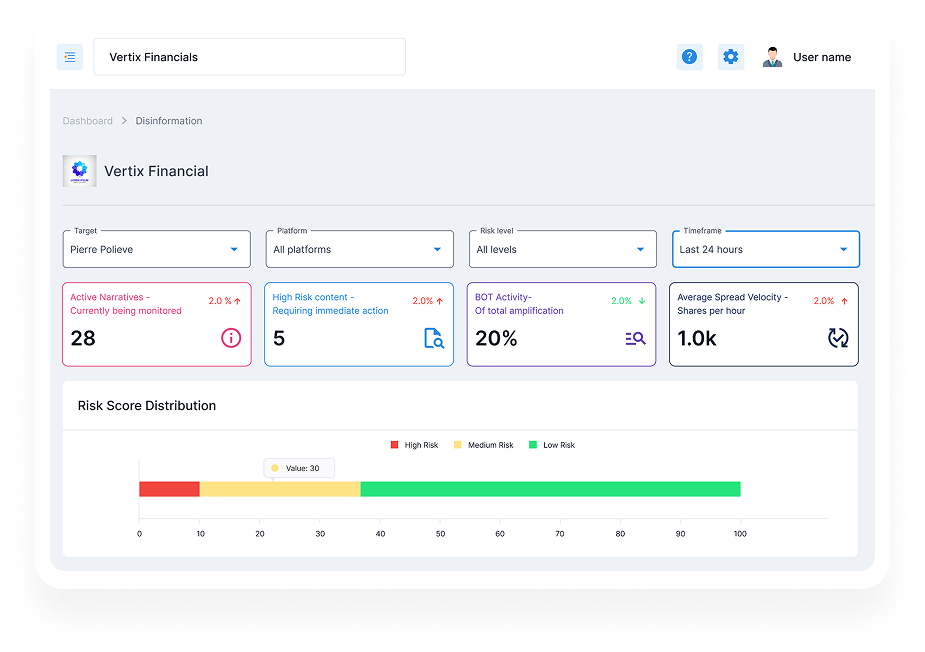
- See when a narrative starts, how it evolves, and spreads, including how quickly it is moving, where it’s happening, and whether it’s gaining momentum or fading.
- Identify signs of coordination, including bot activity, clusters of accounts promoting the same narrative, and those who amplify or counter it.
- Use a disinformation score to prioritize, so you can quickly identify activity that resembles an active campaign.
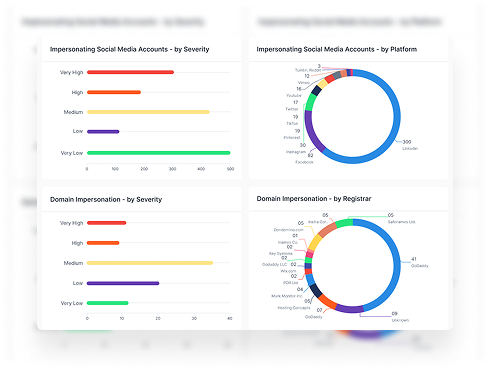
- Build a clean trail of links and context in one view, with filters that let you focus on specific timeframes, and see bot versus human influence.
- Get alerts when the score rises or activity changes, so you can act inside the short window when these campaigns cause the most harm.
- Once you detect a campaign, you can share the evidence across teams and decide whether to respond, warn users, or escalate.
This is much more than a comms or PR dashboard. It provides visibility for security, fraud, risk, and leadership teams that need to make critical decisions under pressure.
How Disinformation Puts Companies at Risk
Disinformation often succeeds by exploiting a person’s or a company’s identity.
Attackers impersonate leaders, employees, support staff, and they copy your brand name and logo. They do this because people trust what looks familiar to them.
Once an account gets impersonated, it can spread a false narrative, send victims to a lookalike site, or shape public perceptions very quickly.
This matters because disinformation changes what people believe, then changes what they do.
Here are a few common risks of disinformation campaigns:
- Fraud and scams get easier: Attackers use public “proof” to make a payment request, a customer support message, or a fake offer feel normal.
- Impersonation spreads faster: An impersonated leader or brand can publish a false claim and get copied and shared before your team sees anything.
- Reputation and trust erode: False narratives about your product, leadership, or safety can reduce trust with customers, partners, investors, and employees.
- Customer support load spikes: Disinformation drives more complaints, more questions, and more confusion, even when the claim is false.
- Financial impact follows attention: False narratives can trigger investor reactions, deal delays, and market volatility.
- Operational and Supply Chain Disruptions: Disinformation can extend beyond reputational and financial harm to directly impact a company’s operations and supply chain integrity.
- Legal and regulatory exposure increases: Disinformation can trigger defamation disputes, consumer protection issues, likeness misuse, and market manipulation concerns.
- Costs add up across teams: Crisis management, legal review, comms response, monitoring, and reputation repair all take time and budget.
Disinformation Security: Use Cases
Disinformation campaigns show up in different forms, but they follow the same pattern. Someone spreads a story in public channels, others amplify it, and people act before anyone checks the facts.
These use cases highlight where Disinformation Security fits in your organization, and which teams should lead the response.
1) Political influence and public figures
This affects public sector teams, campaigns, regulated industries, and any company tied to high-profile decisions.
Attackers often push false stories about candidates, leaders, policies, or events. They use fake accounts, deepfakes, and coordinated posting to make the story look popular.
Disinformation Security helps you:
- Spot spikes early, so you see the disinformation attempts before it peaks.
- Track the narrative as it shifts, so your team can respond to what people are spreading.
- Flag coordination signals, so you can separate organic debate from a planned push.
- Use a disinformation score and alerts, so you can triage what needs action.
2) Financial gain, scams, and fraud
This is for security teams, fraud teams, finance teams, and support teams. It is also for any company that moves money, sells high-ticket items, or deals with high-volume customer requests.
Attackers use false stories to make scams believable. They can push fake offers, fake endorsements, fake news, or fake claims about a product or policy change, then send victims to an impersonated site, fake customer support, or fake social media accounts.
Disinformation Security helps you:
- Catch abnormal activity early, so you can warn customers and internal teams before the scam spreads.
- Identify signs of coordination, so you can tell when a small group pushes the story.
- Build a clean trail of links and context, so security, support, and comms align on what is happening.
- Prioritize with a score and alerts, so you focus on what drives action.
3) Public health disruption
This fits healthcare, life sciences, consumer health, and public agencies. It also matters for any company that deals with safety, product risk, or regulated claims.
Attackers spread false claims about safety, side effects, “miracle cures,” or hidden harm. Even when the claim is wrong, it can trigger panic, overload support teams, and create pressure on leadership to respond.
Disinformation Security helps you:
- Track when a health-related narrative starts and how it spreads, so you can decide when to engage.
- See which accounts and communities push the story, so you can focus on the main drivers.
- Use alerts and a score, so you can escalate quickly when the risk rises.
4) Social chaos and cultural division
This matters for consumer brands, media, education, public agencies, and any company that operates in the public eye.
Campaigns here try to inflame distrust, deepen division, or trigger outrage. They often target leadership, policies, hiring decisions, or a single moment that can get clipped and reshared.
Disinformation Security helps you:
- Spot coordinated spikes, so you see when a story gets pushed, not discovered.
- Track narrative changes, so you can respond to the current version of the claim.
- Keep a shared evidence trail, so comms, legal, and security work from the same facts.
Want to learn more about Disinformation Security and how it works? Connect with our team to show you live and answer all your questions.