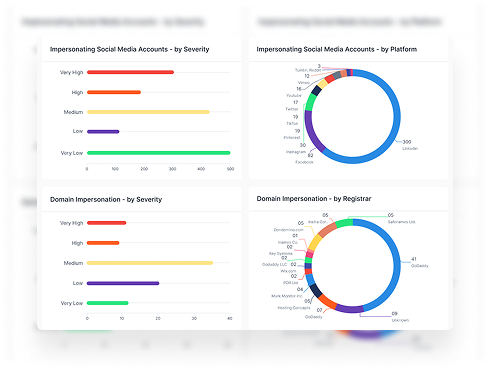

Digital Footprint Management: What It Means for Security Teams

What Is a Digital Footprint in Cybersecurity? Your digital footprint is every online asset, account, system, and data trail tied to your company. That includes the assets your team owns directly, such as: It also includes assets that sit outside direct control, such as vendor-hosted pages, third-party SaaS tools, exposed documents, leaked credentials, executive profiles, […]
Shadow IT Data Leakage: How Unapproved Tools Expose Data

Why Is Shadow IT a Data Leakage Problem? Most teams do not find shadow IT through a planned audit. They find it after company data appears in a tool, account, or folder that security never approved. That might be a customer file in someone’s personal cloud storage, an employee spreadsheet shared through an unapproved app, or meeting […]
What Is Smishing? How to Spot a Scam Text in 2026

What is Smishing? Smishing is phishing by text message. The word combines “SMS” and “phishing.” The goal is the same as email phishing: get you to tap a link, hand over information, or send money. Attackers usually pretend to be or pose as: What the attacker poses as What they want from you Your bank […]
Business Email Compromise (BEC): How to Catch the Attack Before the Email Lands
What Business Email Compromise Actually Is Business email compromise, or BEC, is a targeted scam where an attacker uses trusted business identities to get money, data, or account access. That trusted identity could be: Impersonated identity What the attacker wants Executive Payment approval or sensitive files Vendor Bank-detail changes or invoice payment Lawyer Confidential transfer or deal-related […]
Pretexting: How Attackers Use Your Public Footprint Against Your Team

What is Pretexting in Cybersecurity? Pretexting is a type of social engineering where someone invents a story to trick a person into giving up information, money, or access. The story drives the attack. Remember, the attacker is not breaking into your systems; they are posing as someone your team already trusts. That could look like: The request looks normal, […]
CEO Fraud Defence: How to Catch the Signals Before It’s Too Late

CEO fraud is a scam in which an attacker impersonates a senior executive (usually the CEO or CFO) to trick an employee into authorizing a fraudulent payment, sharing sensitive data, or changing the bank details on a vendor account. It is a subtype of Business Email Compromise (BEC), and the FBI’s Internet Crime Complaint Center reports it as one […]
What Is Typosquatting?
Typosquatting is the practice of registering domain names that look almost identical to a real brand’s. That could mean a swapped letter, a missing character, a different top-level extension, or a character from another alphabet that looks like the original. Attackers register these domains in bulk, then use them to phish customers, impersonate the brand on email, […]
Brand Trust Management for Enterprises: Why Security Now Owns Part of the Brand

Brand trust management for enterprises used to sit mostly with marketing, PR, and legal. That made sense when the main risk was bad press, customer complaints, or trademark misuse. That is not the world in which enterprises operate now. Attackers can damage trust without breaching your systems. They can clone your website, impersonate your executives, create fake social profiles, […]
How Account Takeover Attacks Work
Account takeover (ATO) attacks often start with access that looks legitimate. An attacker uses a stolen password, a leaked session token, a phishing link, or a fake login page to get into a real account. Once inside, they can move quietly because the system sees a trusted user. For your business, that creates direct risk. […]
What Is Credential Stuffing?

Credential stuffing is when attackers use stolen usernames and passwords to break into accounts. They do not guess passwords. They use login details that have already leaked from past breaches, then test them across websites, apps, customer portals, and employee tools. This works because many people reuse passwords. If one account gets exposed, attackers can […]